Buying guide
Pocketing Fabric for Uniforms: What to Specify
Pocketing is the lining fabric inside uniform pockets. It is a small part of the cloth bill and a common failure point, so this guide covers the weight, fiber, shrinkage and fastness to specify.
Jump to section
Quick answer
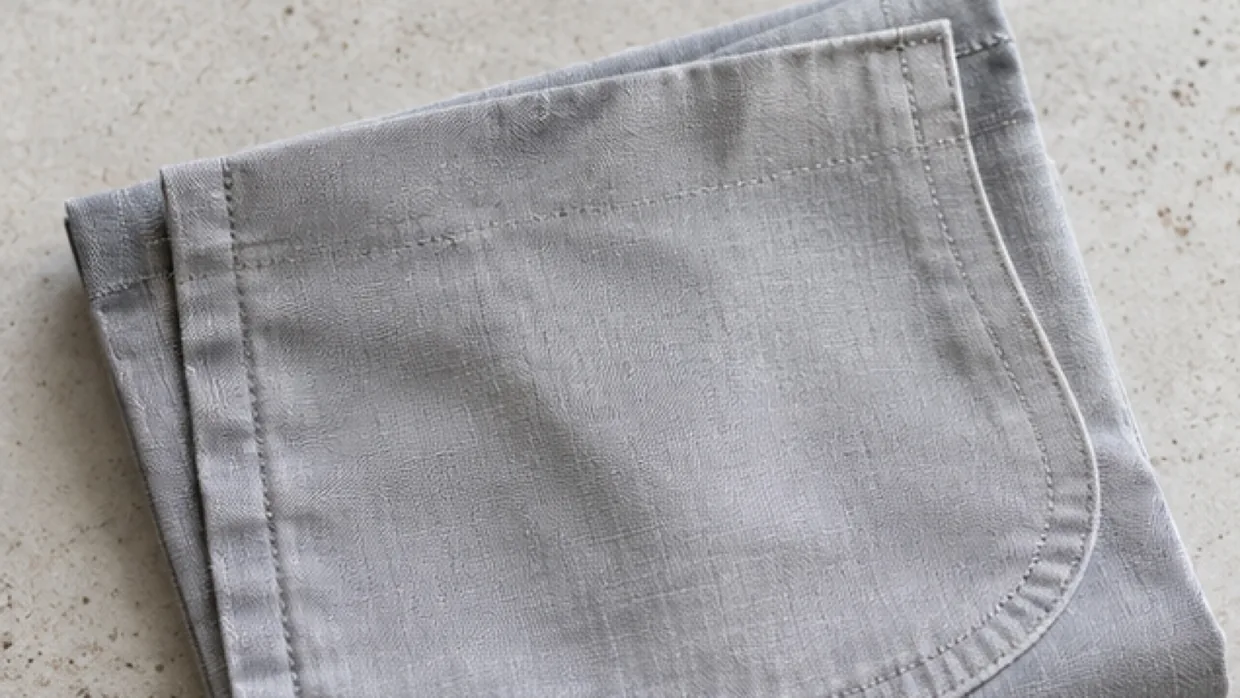
Pocketing is the light, plain-weave lining fabric that forms the pocket bag inside trousers, skirts and jackets. It is usually poly-cotton, because polyester gives it strength and cotton keeps it comfortable against the hand. It uses little cloth but fails early if it is wrong: a pocket bag that shrinks more than the outer cloth puckers the trouser front, one that rubs through leaves a hole, and one that bleeds dye marks skin and shirts. Specify the fiber blend, weight, shrinkage and colour fastness in writing, and match the shade to the outer cloth.
What pocketing is and why it gets its own spec
Pocketing is the fabric sewn into the inside of a pocket: the bag your hand and keys sit in. It is hidden, so it is easy to treat as an afterthought and buy on price alone. But a pocket takes constant rubbing, holds weight and is washed with the garment every time, so it is one of the first places a cheap uniform shows wear.
It is also a small part of the cloth requirement per garment. That is exactly why it is worth specifying properly: the saving from a poor pocket cloth is tiny, and the cost of a garment that comes back for a torn pocket is not. Our guide to fabric consumption by garment shows how little cloth the pocket bags take compared with the shell.
Why poly-cotton is the usual choice
Most pocketing is a plain weave in a polyester-cotton blend. Polyester brings tensile and abrasion strength and keeps the cloth from shrinking much. Cotton adds softness and absorbency, so the pocket feels comfortable and does not feel slippery against the hand. The blend ratio varies by maker, so ask for the written percentages, the same way you would for the outer cloth. The reasoning behind the usual split is the same as in why 65/35 poly-cotton shirting works for the shirt.
A plain weave is used because it is flat, stable and cheap to make. Pocketing is generally a light to mid-weight cloth, often somewhere around 90 to 140 GSM, but there is no single standard, so confirm the weight against the garment maker's own spec.
100% polyester, poly-cotton or 100% cotton pocketing
| Pocketing | Strengths | Watch for |
|---|---|---|
| 100% polyester | Strong, low shrinkage, dries fast | Less absorbent and can feel slick against the hand |
| Poly-cotton | Balances strength and comfort; the usual choice | Needs the blend ratio stated, and shrinkage matched to the shell |
| 100% cotton | Soft and absorbent | Shrinks more, wears faster and dries slowly, so a mismatch with a stable shell is likely |
For most uniform programs poly-cotton is the safe middle. Choose 100% cotton only where the shell cloth is also cotton-rich and a soft hand matters most.
What to specify, and why each point matters
Treat pocketing as a short spec of its own, not a line in the shell cloth order.
| Specify | What goes wrong if you do not |
|---|---|
| Blend and weight, in writing | A lighter or cheaper cloth is substituted and the pocket tears or wears through early |
| Shrinkage no worse than the outer cloth | The pocket bag shrinks more than the trouser, pulling and puckering the front panel after washing |
| Colour fastness to washing, rubbing and sweat | Dye bleeds onto the wearer's hand or a lighter shirt, or onto other garments in the wash |
| Shade matched to the outer cloth, or white | A contrasting pocket shows through at the opening, or a loose bag peeks out of the pocket mouth |
| Strength at the seam | Pocket seams open or the yarns slide at the stitch line under the weight of keys and phones |
Our guides on fabric shrinkage and key fabric tests explain how each of these is measured, including seam slippage.
Matching pocketing to the outer cloth
Shrinkage is the point that catches buyers out. If the shell cloth has been pre-shrunk and finished to low shrinkage and the pocketing has not, the two move differently in the wash and the garment distorts at the pocket. Ask for shrinkage figures for both cloths and keep them close.
Shade needs the same care as the outer cloth. If you are running a multi-year program, the pocketing shade should be held against an approved standard just as the shell is, so reorders stay consistent. See dye-lot consistency for how that standard works. Where the garment is light in colour, a white or very pale pocket usually avoids the show-through risk entirely.
Checking pocketing on delivery
Pocketing arrives in rolls like any other cloth, so it should be checked like any other cloth: width, weight against the spec, shade against the approved sample, and a look for defects. A quick wash test on a sample, measuring change against the shell, catches the shrinkage mismatch before it becomes a thousand puckered trousers. The same process applies as in how to inspect uniform fabric on delivery.
FAQ
Frequently asked questions
- What is pocketing fabric made of?
- Usually a plain-weave polyester-cotton blend. Polyester gives strength and low shrinkage, and cotton gives softness and comfort. The exact ratio varies, so ask for the percentages in writing.
- How heavy should pocketing be?
- It is a light to mid-weight cloth, often around 90 to 140 GSM, but there is no single standard. Confirm the weight against the garment maker's spec and check delivered rolls against it.
- Why do trouser fronts pucker after washing?
- A common cause is a pocket bag that shrinks more than the outer cloth. The bag pulls the panel it is sewn to. Specify shrinkage for the pocketing as well as the shell, and keep the two close.
- Does pocketing need to match the colour of the outer cloth?
- It should either match the shell or be white or very pale, so it does not show at the pocket mouth. It should also be colour fast to washing and rubbing so it does not bleed onto skin or other garments.
- Can I use the same cloth for the pocket as for the garment?
- You can, but shell cloth is heavier and costlier than a pocket bag needs. A purpose-made pocketing cloth is lighter and cheaper, and the trade-off is that it must be specified and matched with the same care.
Cite this guide
Quoting this page? Paste the line below so the credit links back.
<a href="https://www.bennycotts.com/guides/pocketing-fabric-for-uniforms-what-to-specify">Pocketing Fabric for Uniforms: What to Specify</a>, Benny Cotts, 2026Updated 29 October 2026 · Benny Cotts, Bhilwara
Fabrics
Fabrics mentioned in this guide
Spec, price and MOQ on every fabric page.

Nano
Poly-Viscose blend · 180-200 GSM
Our entry-level uniform fabric for large-volume programs.

Sonata
Poly-Viscose blend · 190-210 GSM
Cost-efficient uniform fabric without compromising weave quality.

Power Gold
Premium Poly-Viscose blend · 230-250 GSM
Our premium-line suiting with a refined hand and superior drape.
Industries this applies to
Uniform programs these fabrics are used for
- Fabric for Business Attire
- Fabric for Corporate Shirts
- Fabric for Blazers & Waistcoats
- Fabric for School Uniforms
- Fabric for Sports & PT Uniforms
- Fabric for Pre-School & Kindergarten Uniforms
- Fabric for Doctor Coats
- Fabric for Nurse Scrubs
- Fabric for Lab Coats
- Fabric for OT & Surgical Wear
- Fabric for Patient Gowns
- Fabric for Hospital Staff Uniforms
- Fabric for Chef Coats
- Fabric for Salon & Spa Uniforms
- Fabric for Cabin Crew Uniforms
- Fabric for Army Uniforms
- Fabric for Security Guard Uniforms
- Fabric for Industrial Uniforms
- Fabric for Construction Workwear
- Fabric for Housekeeping Uniforms
- Fabric for Business Suits
- Fabric for Black-Tie Attire
- Fabric for Formal Event Wear
Fabric types covered here
Keep reading
Related guides



Ready to place an enquiry?