
Topic
The trade
How fabric is priced, quoted, ordered, paid for and shipped, step by step for a new buyer.
20 articles · 1 video
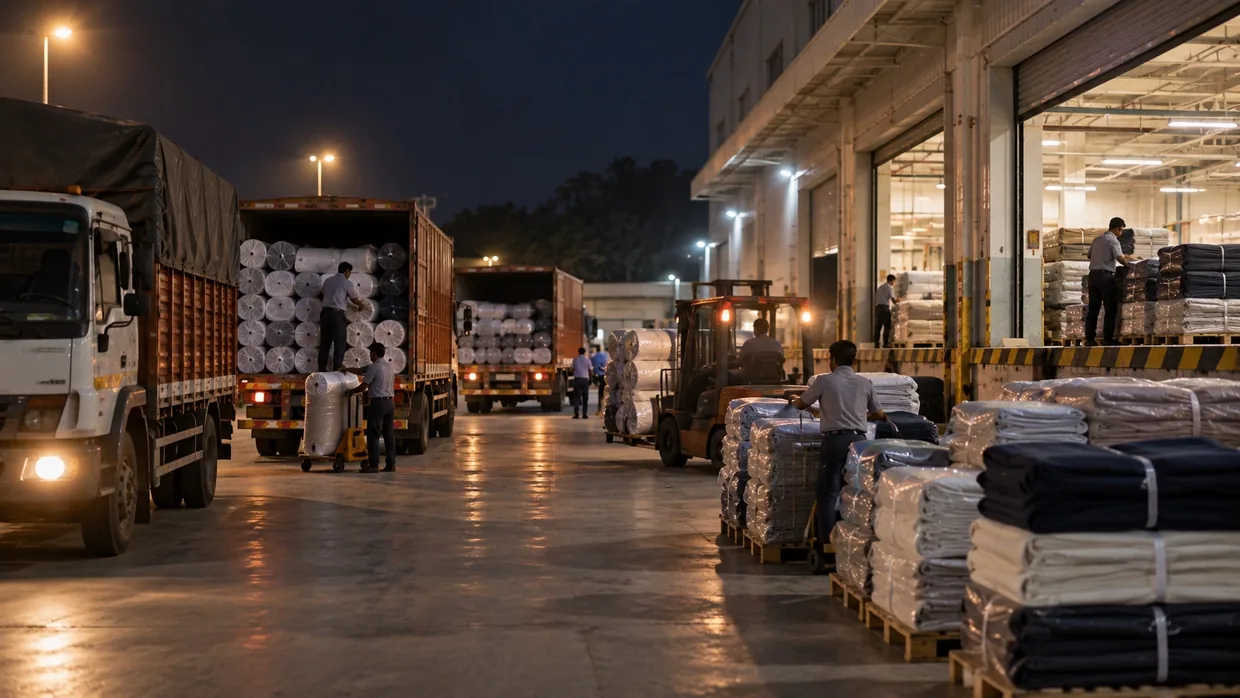 The Textile Value Chain: Who Does What, From Fiber to UniformA beginner's lesson on the people between a cotton field and a finished uniform: fiber producers, spinners, yarn traders, weavers, greige traders, process houses, wholesalers, converters, garment makers and buyers, and where cost and time add up.Video
 Uniform Fabric Pricing ExplainedWhat actually drives the price of uniform fabric: raw material and yarn, dyeing and finishing, weave complexity, order size, and freight, so you know what a quotation is really paying for.
 Who Pays When Duty, Freight or Fiber Costs Move During a Fabric ContractA uniform fabric price can move during a contract for three different reasons: fiber, freight and duty. Each runs on its own clock and each has a different default owner. How to tell which one you are carrying, and what to write down before you sign.
 Understanding Fabric QuotationsWhat's normally itemized on an Indian mill's fabric quotation: composition, width, GSM, price basis, MOQ tier, lead time, payment terms and validity, and how to read each line.
 Uniform Fabric MOQ in India, ExplainedWhat minimum order quantities mean when buying uniform fabric in India, why mills set them, and how to start a program from just 50 m.
 Uniform Fabric Sampling GuideThe different samples used when buying uniform fabric, from a small cutting to a pre-production sample, and when to ask for each one before you commit to bulk.
 Custom Production vs Ready Stock FabricHow to choose between buying a running shade from ready stock and commissioning a custom shade or construction, and what each route means for MOQ, colour ownership and reorders.
 Payment Terms for Bulk Fabric Orders: Advance, LC, Collections and Open AccountHow payment terms for bulk fabric orders work: advance, part advance and balance, letters of credit under UCP 600, D/P and D/A collections and open account, with the trade-offs for buyer and mill.
 Uniform Fabric Lead Times in IndiaHow ready-stock despatch compares with custom weave-to-order timelines, what drives uniform fabric lead time, and how to plan a rollout around it.
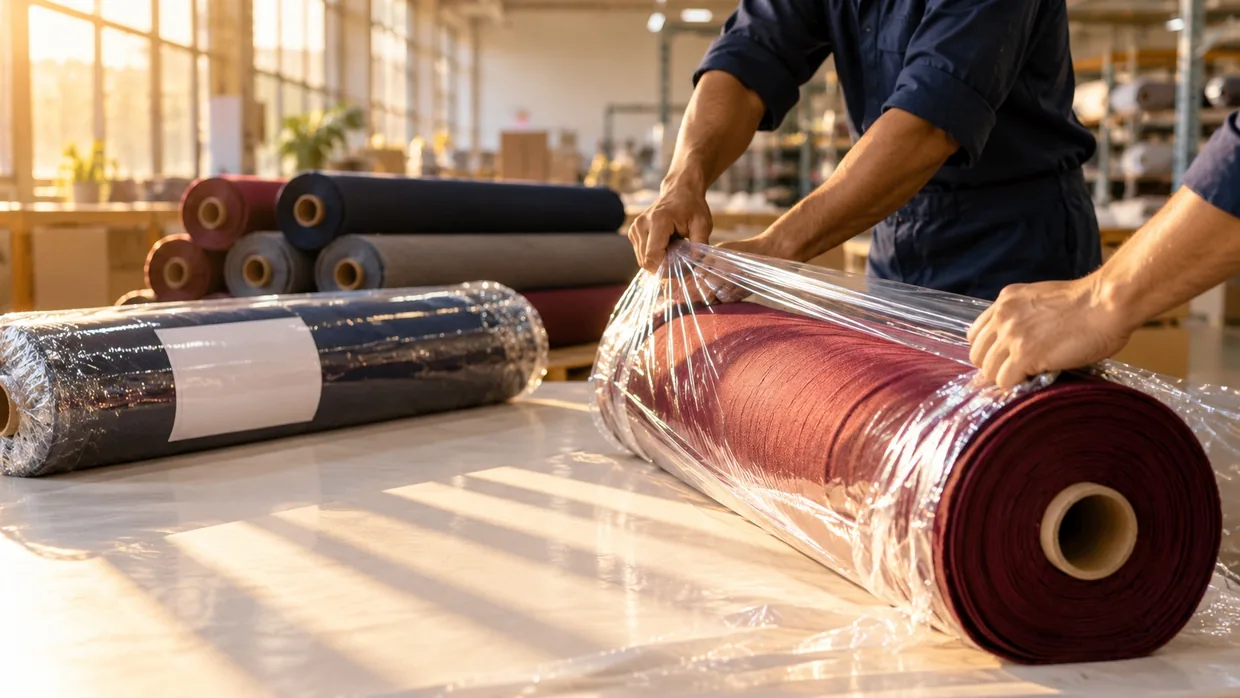 How Woven Fabric Is Packed and Shipped: Rolls, Bales, Labels and PaperworkRolled on tubes or folded, poly wrap, bales or cartons, what a roll label should carry, how the packing list ties it together and why moisture is the main transit risk. What to write into your purchase order.
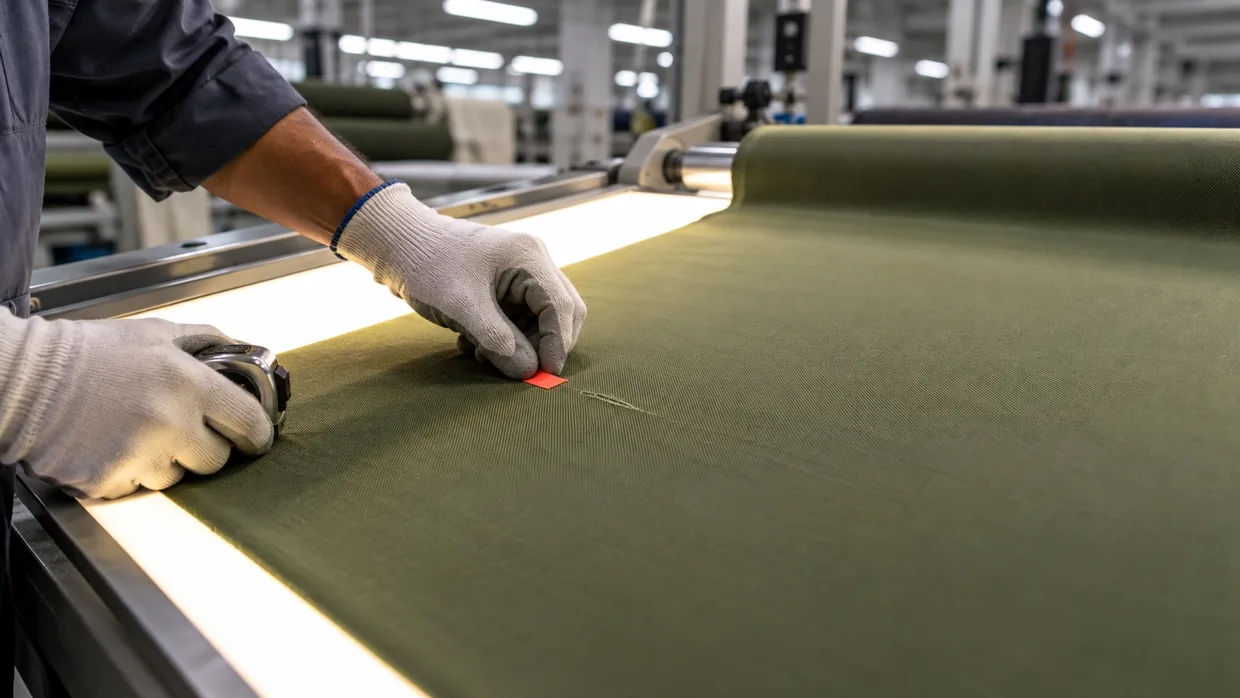 When Bulk Fabric Arrives Wrong: Claims, Remedies and TolerancesWhat to do when a bulk fabric delivery is off on shade, GSM, width, defects or length: how to document it, raise a claim a mill can act on, the usual remedies, and the PO terms that prevent the argument.
 HSN Codes and GST Basics for Uniform Fabric BuyersHSN code tables for uniform cloth and stitched school uniforms: fabric vs garment codes, what to check on an invoice, e-way bills and input tax credit explained.
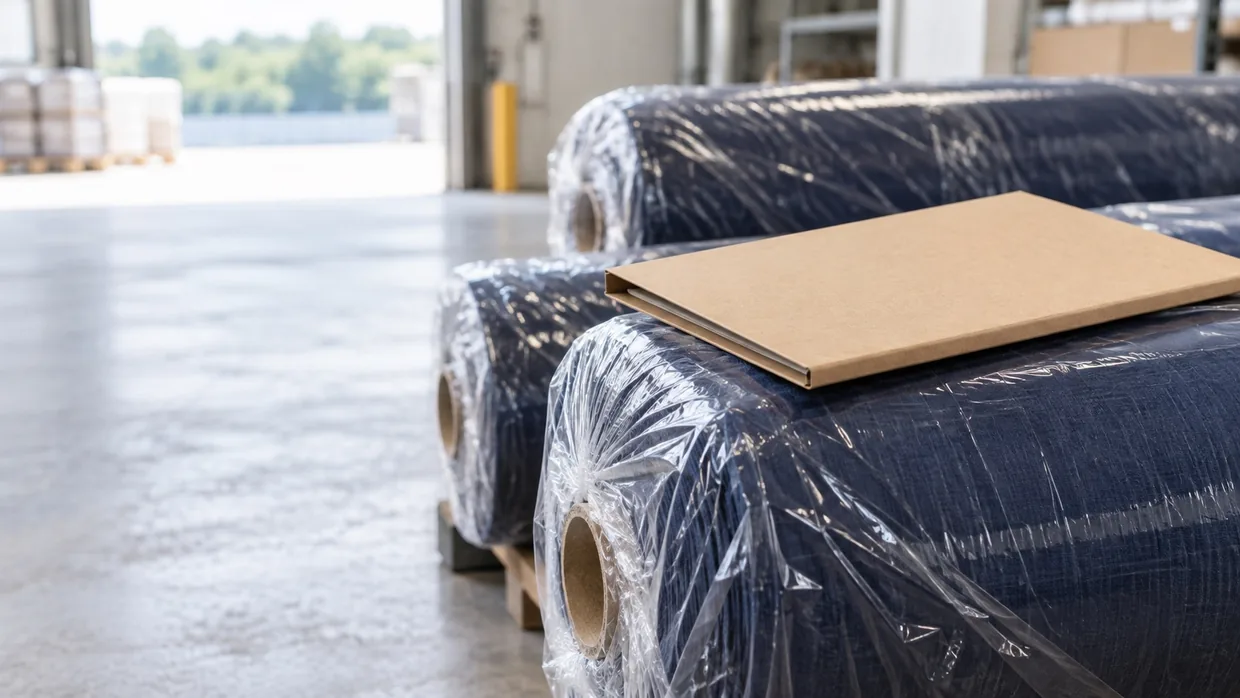 Incoterms Explained for Uniform Fabric Buyers Sourcing from IndiaWhat FOB, CIF and CFR/CNF mean for an overseas buyer importing uniform fabric from an Indian mill, and why the incoterm needs confirming in writing for every order.
 How to Import Uniform Fabric from India: A Buyer's GuideWhat overseas buyers, agents and importers should expect when sourcing uniform fabric from an Indian mill: the enquiry-to-shipment process, what to ask for in writing, and how terms get agreed.
 Certificates of Conformity: The Destination-Market Paperwork That Can Stop Fabric at Your BorderSaudi Arabia, Kenya, Nigeria and the UAE all require a conformity assessment before imported textile products clear. What each scheme is called, whether woven fabric is inside its scope, who has to hold the account, and what a mill can actually supply.
 EU Textile EPR, Explained for Indian Fabric and Garment ExportersThe EU's revised Waste Framework Directive makes textile Extended Producer Responsibility mandatory across member states. Who pays the eco-fee, when the schemes arrive, and why durable fabric becomes a cost advantage rather than just a quality claim.
 The Digital Product Passport for Textiles: The Data Your Fabric Supplier Will Need to Give YouThe EU's Ecodesign regulation will attach a QR-readable Digital Product Passport to textiles sold in Europe, with the textile rules expected from 2027. What data it will carry, who in the chain supplies it, and how to pick fabric suppliers who can feed it.
 Uniform Fabric for Government Tenders: A Supplier's GuideHow government and institutional uniform fabric tenders work: reading the specification, submitting samples, the documents a mill has to produce, and how staggered delivery schedules are met.
 Tender Documentation for Uniform Fabric: What a Mill Must Actually ProduceA deeper look at the specific documents a government or PSU tender asks a uniform fabric supplier to produce, beyond the spec sheet itself, and how to prepare them without last-minute delays.
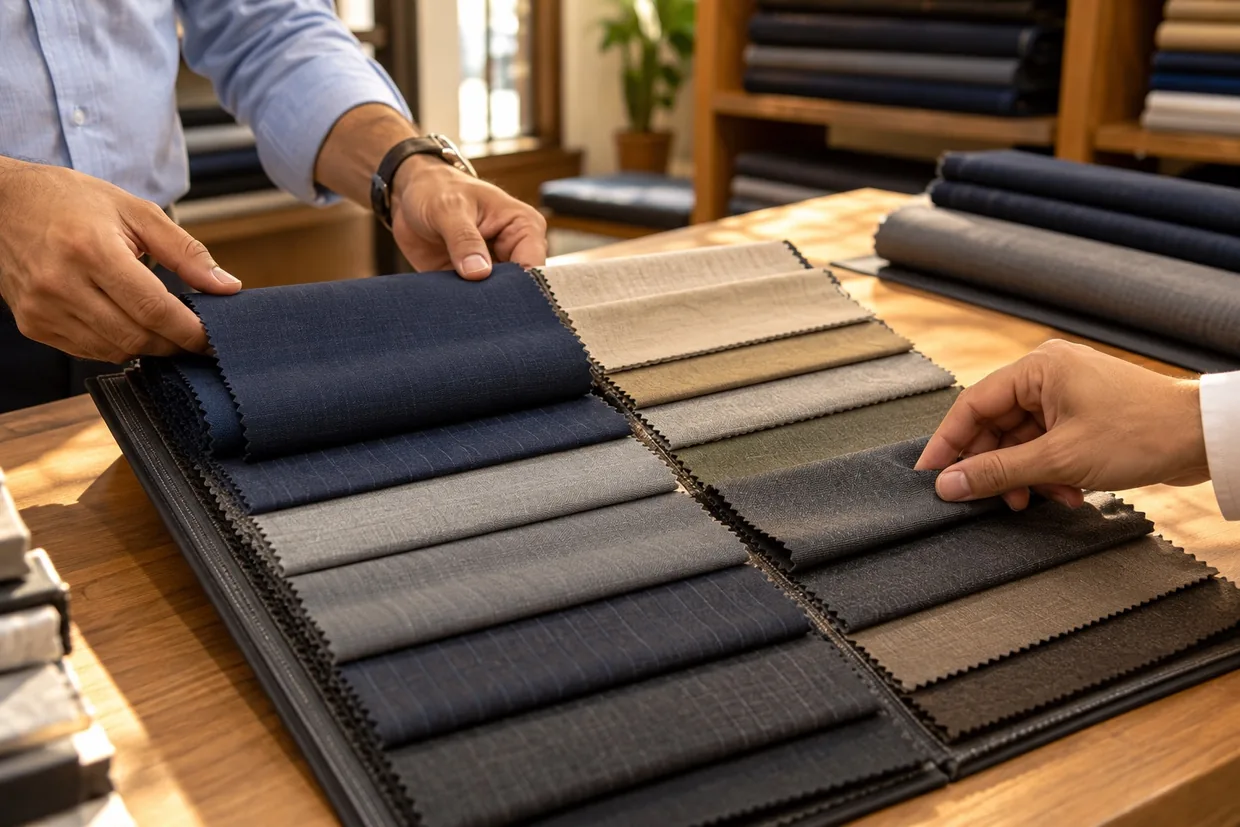 Selling Fabric: How a New Trader Finds Buyers for Uniform, Suiting and Shirting ClothA beginner's lesson on selling woven fabric: who buys uniform, suiting and shirting cloth, where a new trader meets them, what they ask for before ordering, and how repeat trust is built.
Ready to place an enquiry?