
Topic
Processing
What a process house does to turn greige cloth into finished fabric: dyeing, shade matching and finishes.
13 articles · 1 video
Featured video
What a Process House Does: Greige to Finished Fabric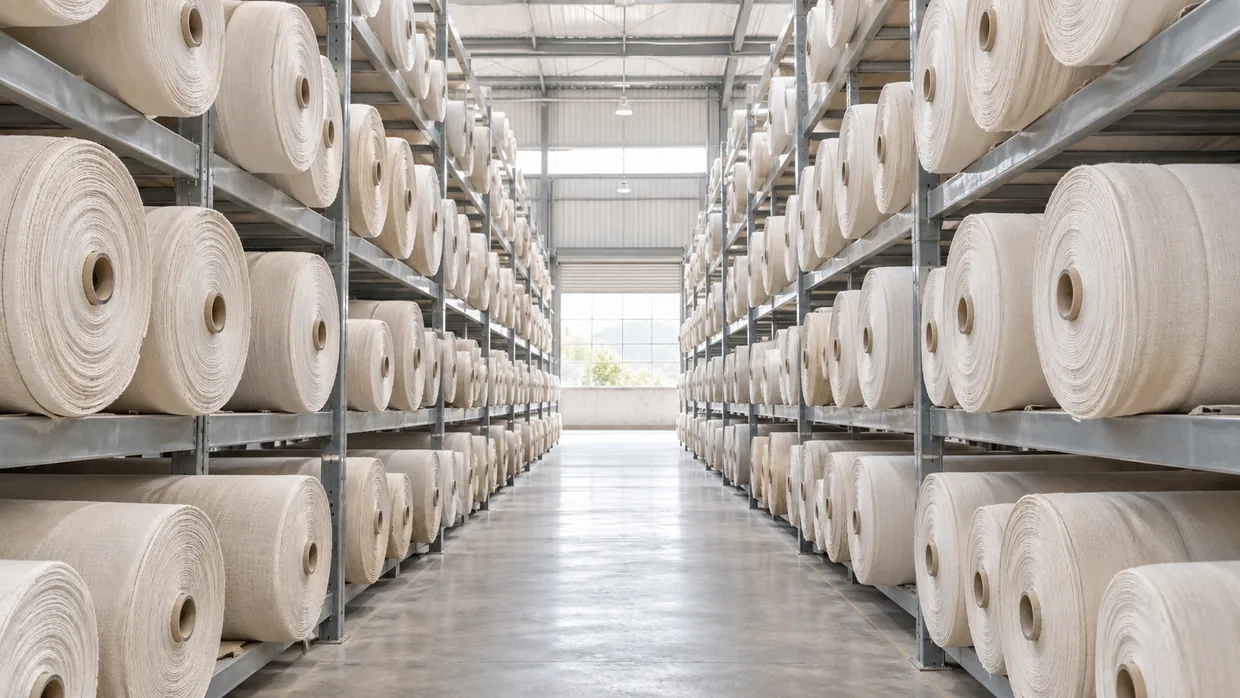 What a Process House Does: Greige to Finished FabricThe steps that turn raw woven cloth into finished uniform fabric: inspection, singeing, desizing, scouring, bleaching, mercerising, heat-setting, dyeing, finishing, stentering and final checks.Video
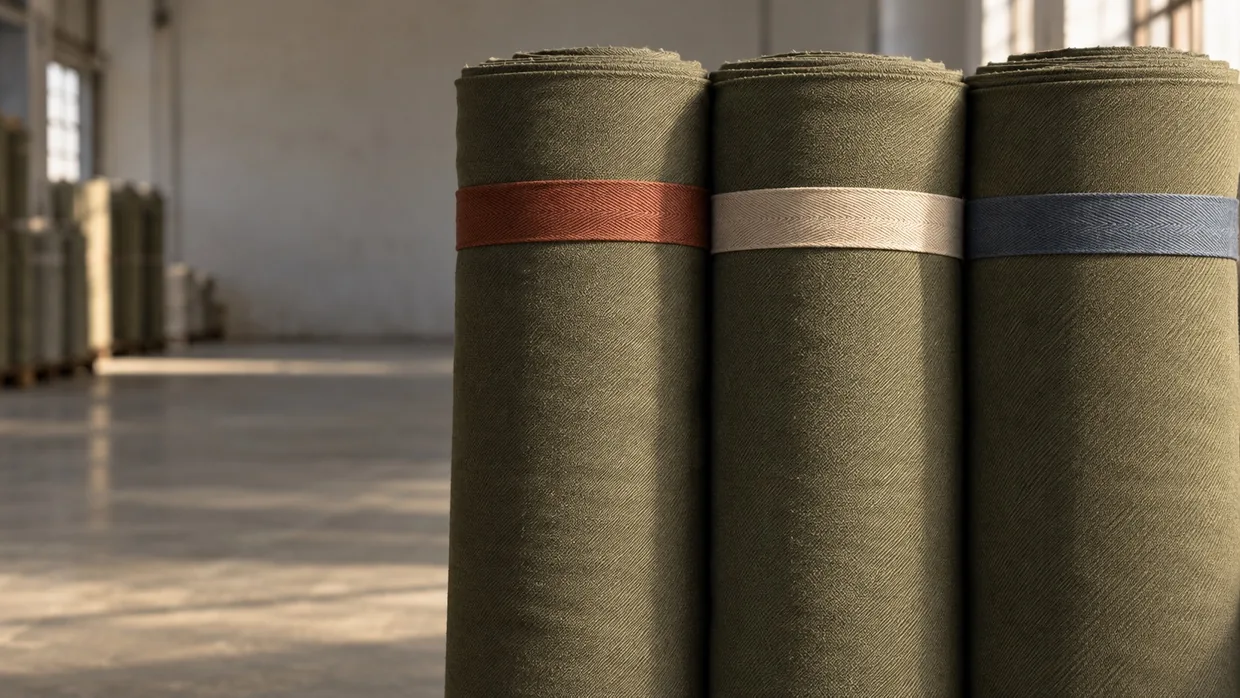 Dyeing: Which Dye for Which FiberWhy polyester needs disperse dyes at high temperature, why cotton and viscose take reactive or vat dyes, how blends get two dye classes, and which machines do the work.
 Lab Dips and Shade Approval, ExplainedHow a colour reference becomes an approved shade standard: what a lab dip is, how a dye recipe is built, how submissions are assessed under controlled light, and how the approved shade is held for reorders.
 Why Reorders Do Not Match: Dye-Lot ConsistencyWhy a uniform reorder can come back a slightly different shade, what a dye lot is, and how to lock a colour so every batch matches across a program.
 Fabric Swatches vs Shade Cards ExplainedWhat a fabric swatch, a shade card and a sample book actually are, and when to ask for each one while comparing, approving or reordering uniform fabric.
 Fire-Retardant, Anti-Microbial and Moisture-Control Finishes ExplainedA plain-language guide to what fire-retardant, anti-microbial and moisture-control fabric finishes actually are, when institutional buyers should specify them, and how to verify a mill's claim before you order.
 Water-Repellent, Oil-Repellent and Anti-Static Finishes ExplainedWhat water-repellent, oil-repellent and anti-static fabric finishes actually do, the named tests that prove them, how long they survive industrial laundering, and what to write into a tender spec.
 Easy-Care and Wrinkle Recovery in Shirting, ExplainedWhat easy-care actually means on a shirting quote, the two very different routes that produce it, the strength and formaldehyde trade-offs of a resin finish, and the tests that put a number on it.
 Why Uniforms Shrink, and How to Prevent ItWhat causes uniform fabric to shrink, why poly-viscose moves less than cotton, and how finishing and laundering keep sizes stable.
 Does Viscose Pill? Uniform Fabric Pilling and How to Spec ItDoes viscose pill? Yes. Why poly-viscose holds pills longer than cotton, the pill grade scale buyers use, and the exact line to write in your fabric spec.
 Why Uniforms Fade: Colour Fastness and Hot WashingWhy uniform fabric loses colour, what colour fastness means, and how to choose and launder fabric so shades hold through heavy institutional washing.
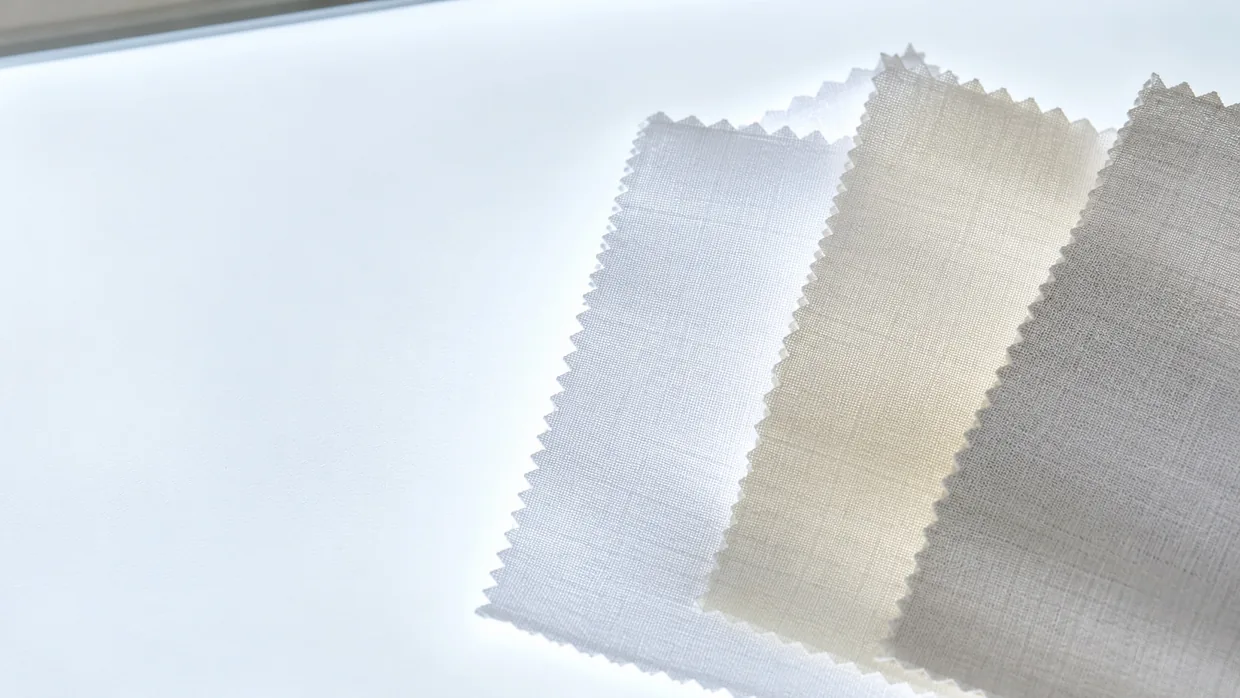 Why White Shirts Go Yellow or Grey, and How to Spec Against ItThree separate reasons a white uniform shirt stops looking white, how to tell them apart on the garment, and which of them is a fabric question and which is a laundry one.
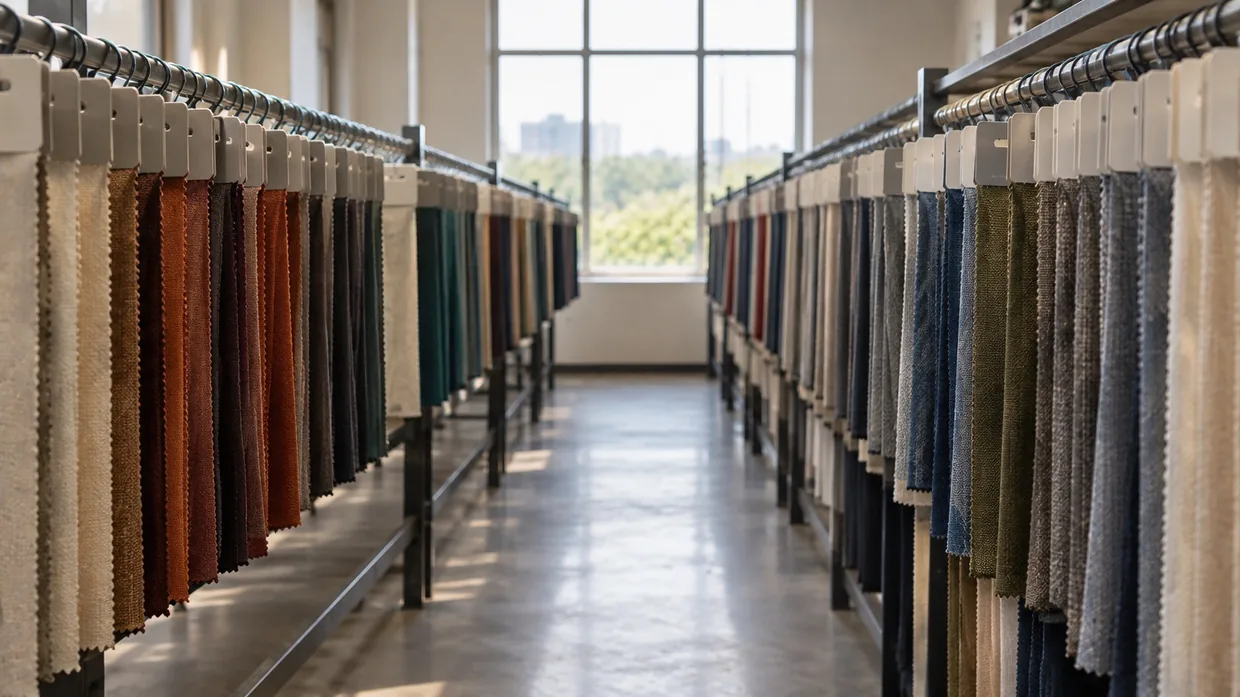 What Moves Processing Costs: Dyes, Energy, Water, Shade and Lot SizeA beginner's lesson on what sets the cost of dyeing and finishing fabric: dyes and chemicals, steam and heat, water and effluent rules, shade depth, blends that need two dye types, finish add-ons, lot size and reprocessing.
Ready to place an enquiry?