
Topic
Yarn
How fiber is spun into yarn, and how to read a yarn count, ply and blend.
7 articles · 7 videos
Featured video
How a Spinning Mill Works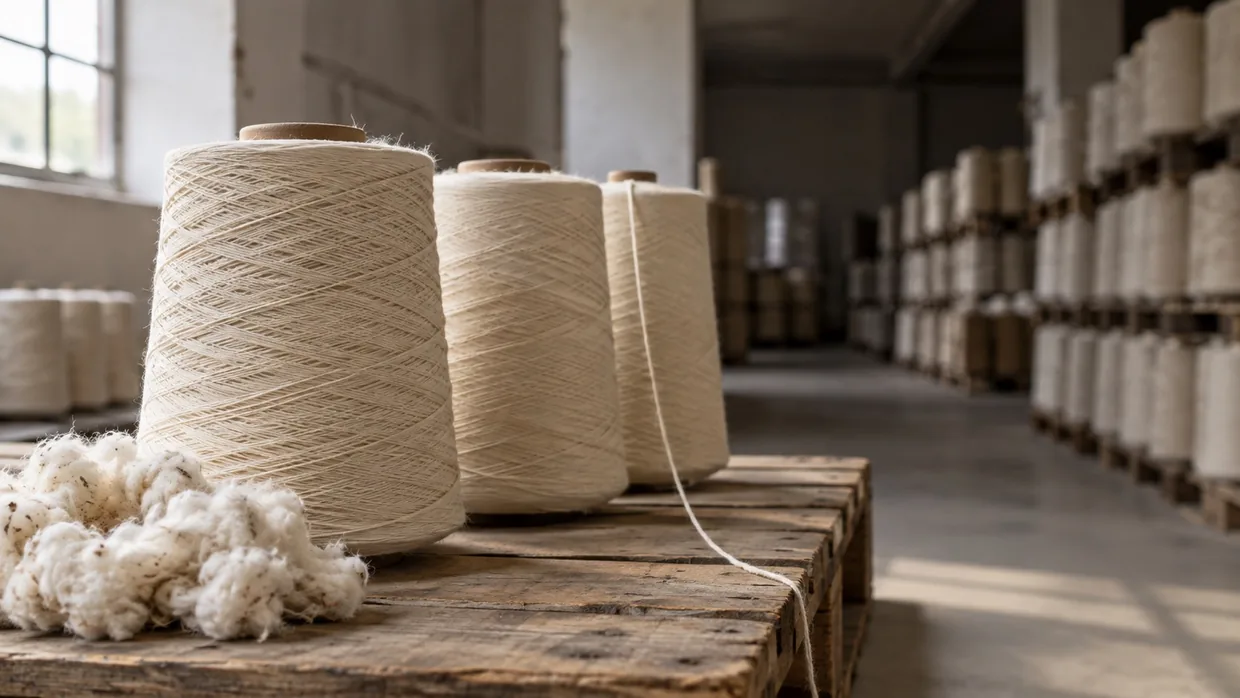 How a Spinning Mill WorksA plain walk through a ring spinning mill: blowroom, carding, combing, drawing, roving, ring frame and winding, and how polyester and viscose staple run on the same line as cotton.Video
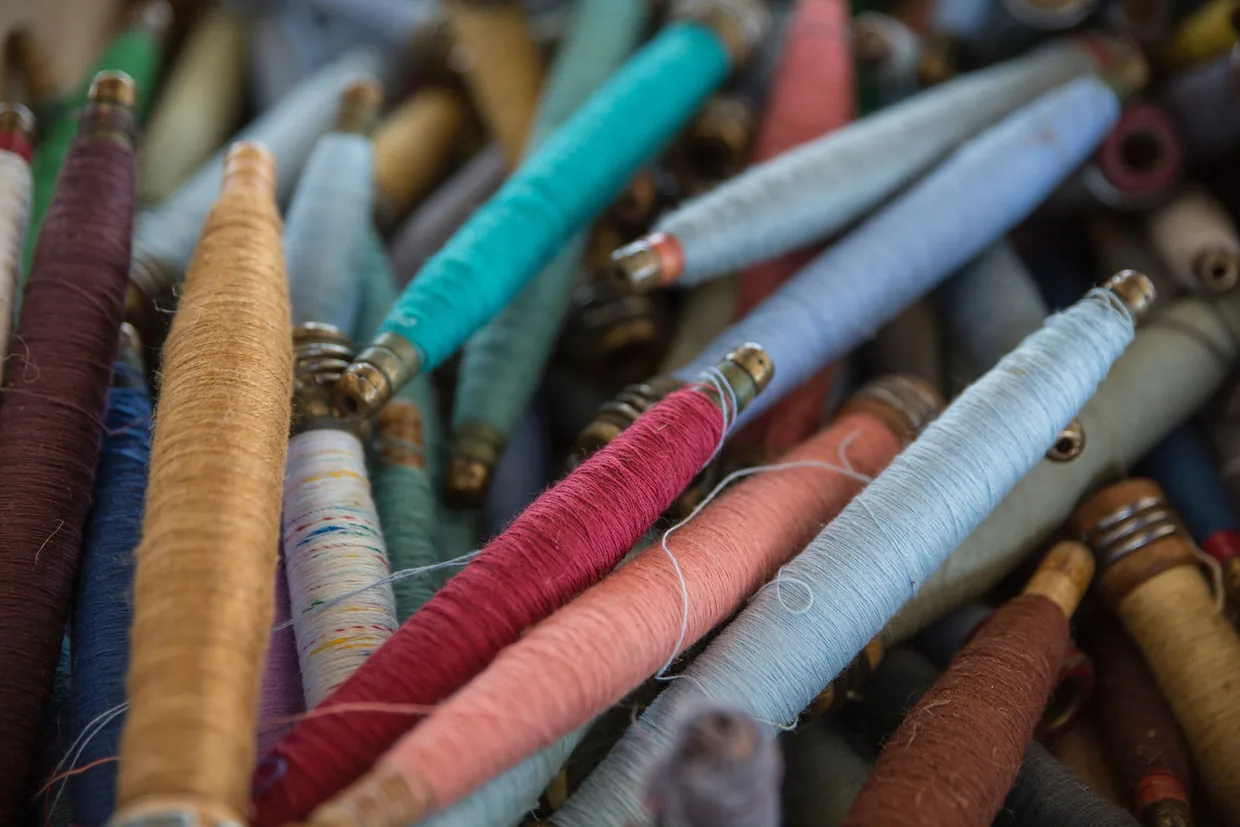 Ring, Open-End and Air-Jet Spinning ExplainedHow ring, open-end (rotor) and air-jet spinning each turn fiber into yarn, and how the choice shows up in a fabric's feel, strength, hairiness, count range and cost.Video
 Yarn Counts and Blends ExplainedA plain-language guide to how yarn count and yarn blend work, and why they quietly decide the weight, hand and cost of the uniform fabric you end up buying.Video
 Combed, Carded, Sanforized: Spec-Sheet Terms ExplainedWhat combed and carded yarn actually mean, why sanforizing applies to cotton and heat-setting to polyester blends, and which of these terms belong on a uniform fabric specification.Video
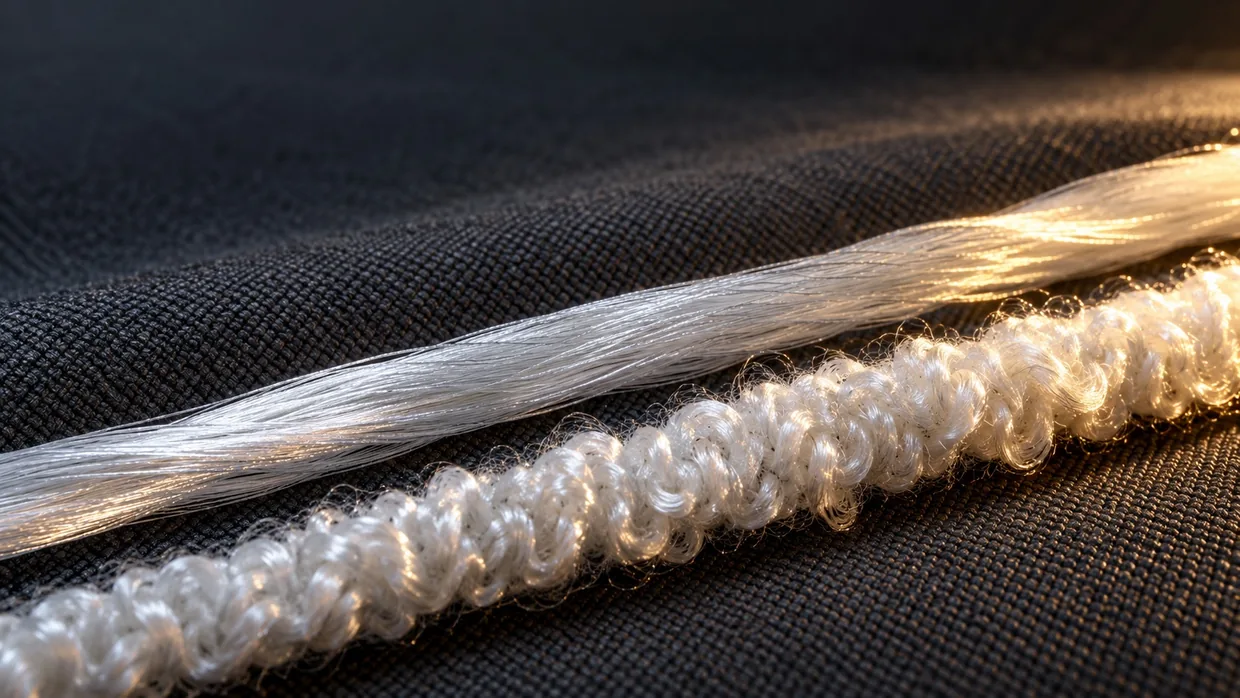 Texturised Yarn in Suiting: What It Is and What It ChangesFilament polyester starts smooth, shiny and flat. Texturising, by false-twist or air-jet, adds crimp or loops that give bulk, stretch, cover and a more matte hand. How it differs from spun yarn, and the pilling and snagging trade-offs to weigh.Video
 What Moves Yarn Prices: Fiber, Count, Spinning and the MarketA beginner's lesson on what sets the price of spun yarn: fiber cost, count, blend, spinning system, power, mill utilisation, demand seasons, exports, inventory cycles and policy.Video
 Yarn Quality: What to Check Before It Becomes FabricA beginner's guide to yarn quality: count variation, strength (CSP, RKM, single yarn strength), unevenness (U%, CVm), imperfections, hairiness and twist, and the fabric defect each bad yarn property turns into.Video
Ready to place an enquiry?